Indoor air quality is a critical factor in maintaining a healthy and comfortable home or workplace. One often-overlooked component of this system is the air duct network that circulates air throughout a building. Over time, air ducts can accumulate dust, allergens, mold spores, pet dander, and other debris, which can reduce HVAC efficiency and compromise the quality of the air you breathe. Regular air duct cleaning is an essential maintenance practice, but many property owners wonder how often it should be scheduled. This practical guide explains the factors influencing air duct cleaning frequency and provides actionable advice for homeowners and businesses.
Air ducts are the circulatory system of your indoor environment. They carry heated or cooled air from the HVAC unit to every room, ensuring consistent comfort. However, as air moves through the ducts, it can deposit particles onto the duct walls. Dust, pollen, pet hair, and even small insects can accumulate, especially if the building is located in a high-traffic or dusty environment. Over time, this buildup can restrict airflow, reduce system efficiency, and contribute to an increase in indoor pollutants. The frequency of Air Duct Cleaning Utah largely depends on how quickly contaminants accumulate and the level of sensitivity among the occupants to these pollutants.
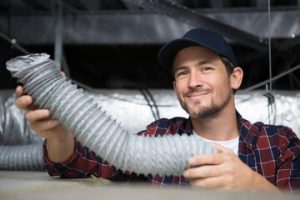
One of the most commonly cited recommendations from experts is to have air ducts cleaned every three to five years. This guideline, however, is not a strict rule. The ideal schedule depends on multiple factors, including household size, presence of pets, lifestyle habits, and environmental conditions. For example, homes with multiple residents, active children, or pets may experience faster dust accumulation, requiring more frequent cleaning. Similarly, buildings located near busy roads, industrial areas, or regions with high pollen counts may benefit from a shorter cleaning interval to maintain optimal air quality.
Health considerations play a significant role in determining air duct cleaning frequency. Allergies, asthma, and other respiratory conditions can be aggravated by dust, mold, and airborne particles circulating through the HVAC system. Families or workplaces with occupants who have compromised immune systems or chronic respiratory issues may need to schedule air duct cleaning more frequently—sometimes every two years or even annually—to ensure the air remains clean and safe. For households without these concerns, the standard three-to-five-year interval is typically sufficient to prevent significant buildup.
The condition of the HVAC system itself also influences cleaning frequency. Older systems or units that have not been properly maintained may collect debris more quickly than newer, well-maintained systems. Routine maintenance, such as filter replacement, coil cleaning, and inspection of ductwork, can help prolong the effectiveness of air duct cleaning and may reduce the frequency needed. Conversely, neglecting general HVAC maintenance may necessitate more frequent professional duct cleaning to compensate for accelerated buildup.
Visible signs can also indicate when air duct cleaning is needed. Homeowners and property managers should be alert to certain indicators, including:
- Dust and debris are visible around vent openings or registers.
- Noticeable musty or moldy odors when the HVAC system is operating.
- Increased allergy or asthma symptoms among occupants.
- Uneven airflow or reduced efficiency from vents.
- Evidence of mold, pests, or other contaminants inside ductwork.
When any of these signs are present, waiting until the next scheduled cleaning is not advisable. Immediate intervention by a professional ensures that contaminants are removed before they negatively impact health or HVAC performance.
Air duct cleaning is more than just vacuuming visible dust from vent openings. Professional services employ specialized tools and techniques to remove debris from the entire duct system. This typically includes high-powered vacuums, rotary brushes, and compressed air tools that dislodge and extract dirt, dust, and other contaminants. Some services also offer sanitizing or antimicrobial treatments to further improve indoor air quality and prevent mold growth. Choosing a reputable service provider ensures that cleaning is thorough and does not introduce additional contamination into the system.
The type of building also affects how often air duct cleaning should be performed. Commercial spaces with high occupant density, such as offices, schools, or healthcare facilities, may require more frequent cleaning than single-family homes. High foot traffic, frequent use of HVAC systems, and stricter indoor air quality standards contribute to faster accumulation of dust and debris. On the other hand, lightly used seasonal homes or properties with minimal occupancy may need less frequent cleaning. Assessing the specific needs of each property is essential to establishing an effective maintenance schedule.
Preventive measures can help extend the interval between professional air duct cleanings. Installing high-quality HVAC filters and replacing them regularly is one of the most effective strategies. Filters trap dust, pollen, and other airborne particles before they enter the duct system. Additionally, keeping the home clean by regularly dusting, vacuuming with HEPA-filter vacuums, and maintaining proper humidity levels can reduce the overall load of contaminants. Sealing leaks in ductwork and ensuring proper insulation also helps prevent debris from entering and accumulating in the ducts.
Understanding the costs and benefits of air duct cleaning is another key consideration. While professional cleaning involves an upfront expense, it can provide long-term savings by improving HVAC efficiency, reducing energy costs, and extending the life of the system. Clean ducts allow air to flow freely, enabling the HVAC system to operate without unnecessary strain. In contrast, clogged or dirty ducts force the system to work harder, which can lead to increased energy bills and potential equipment damage over time. The investment in periodic air duct cleaning pays off in both health and operational efficiency.
In addition to HVAC efficiency, air duct cleaning also impacts overall comfort. Clean ducts distribute air more evenly, reducing hot or cold spots and maintaining consistent indoor temperatures. Occupants may notice less dust settling on furniture and a reduction in odors associated with stagnant air or mold growth. For families, businesses, and institutions, these improvements contribute to a healthier and more pleasant indoor environment, enhancing productivity, comfort, and quality of life.
Air duct cleaning should also be coordinated with other home maintenance tasks for maximum effectiveness. Scheduling cleaning around HVAC servicing, filter replacement, and seasonal inspections ensures that the system is functioning optimally. Professionals often recommend aligning cleaning with the start of summer or winter, when HVAC systems are being prepared for heavy use. This timing allows for a clean start to the season and helps maintain air quality during periods of peak operation.
While some homeowners attempt DIY air duct cleaning, professional services offer significant advantages. DIY methods often only address vent openings and fail to clean the full duct network, leaving contaminants behind. Professional technicians are trained to reach inaccessible areas, remove stubborn debris, and handle potentially hazardous materials safely. Attempting thorough cleaning without proper equipment or training may inadvertently damage ductwork or reduce the efficiency of the HVAC system.
Environmental factors should also be considered when determining cleaning frequency. Properties in areas prone to wildfires, dust storms, or high pollen counts may experience faster contamination of duct systems. Similarly, homes with pets, smokers, or occupants who frequently use fireplaces may accumulate particles more quickly, necessitating more frequent cleaning. Evaluating the specific environment and lifestyle factors is essential for establishing a realistic and effective maintenance schedule.
In summary, scheduling air duct cleaning is an important aspect of property maintenance that affects health, HVAC efficiency, and overall comfort. While a general guideline of every three to five years applies to many properties, individual circumstances—such as health conditions, building use, environmental factors, and system maintenance—may require adjustments. By monitoring indoor air quality, observing signs of contamination, and consulting with professional cleaners, property owners can develop a tailored schedule that ensures ducts remain clean, systems operate efficiently, and indoor environments are healthy and comfortable.
Professional air duct cleaning delivers more than aesthetic improvements. It reduces allergens, removes potential mold sources, and enhances airflow, contributing to a safer and more enjoyable living or working environment. Coupled with preventive measures such as high-quality filters, regular vacuuming, and routine HVAC maintenance, these services form a comprehensive strategy for maintaining indoor air quality. By understanding when and why to schedule air duct cleaning, property owners can make informed decisions that protect health, save money, and improve long-term comfort.