Demolition services play a crucial role in the construction and property development industry. Whether it’s tearing down an old structure to make way for a new one or selectively removing certain parts of a building for renovation, professional demolition contractors provide the expertise, equipment, and safety protocols needed for the job. Modern demolition is far more than just breaking down walls—it’s a complex process that requires precision planning, specialized machinery, and strict adherence to environmental and safety regulations.
Professional Demolition Services ensure that buildings are dismantled safely and efficiently, minimizing risks to workers and the surrounding environment. The process often involves site evaluation, structural analysis, debris management, and proper disposal of materials. Each phase must be carefully coordinated to avoid hazards such as dust exposure, falling debris, or damage to nearby structures. This is why working with experienced demolition contractors is essential for ensuring the success of any project that involves dismantling or site clearing.
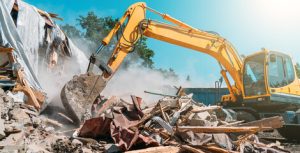
Understanding the Importance of Demolition Services
Demolition is a vital part of urban development and infrastructure improvement. As cities and communities evolve, older or unsafe buildings often need to be removed to make room for new developments. Beyond full-scale demolition, there are also situations where only certain parts of a building need to be removed—this is known as selective demolition. Such precision work requires careful handling to ensure the rest of the structure remains intact and stable.
Demolition contractors are skilled in managing a wide range of projects, from small residential demolitions to large commercial and industrial tear-downs. They are trained to handle the complexities of building materials, hazardous substances, and utility disconnections, all while maintaining compliance with environmental laws and safety standards. This combination of technical knowledge and operational efficiency makes demolition services indispensable in today’s construction industry.
The Different Types of Demolition Services
Not all demolition projects are the same. Depending on the structure and project goals, demolition contractors use various methods and approaches. Below are some of the most common types of demolition services:
- Residential Demolition: This involves removing houses, garages, sheds, or other smaller structures on private property. Residential demolition requires careful handling, especially when the site is located near other homes.
- Commercial Demolition: Large-scale demolitions of office buildings, retail centers, and warehouses fall under this category. These projects require heavy machinery, extensive planning, and coordination to ensure safety and minimize disruption.
- Industrial Demolition: Factories, plants, and manufacturing facilities often require specialized demolition due to the presence of hazardous materials or complex mechanical systems. Contractors must use advanced equipment and strict safety measures for these jobs.
- Selective Demolition: Instead of tearing down an entire building, selective demolition focuses on removing specific sections, walls, or features while preserving the rest. It’s commonly used in remodeling or renovation projects.
- Interior Demolition: This process involves removing interior walls, flooring, ceilings, or fixtures within a structure while keeping the exterior intact. It’s ideal for office renovations, retail upgrades, or property redesigns.
- Total Building Demolition: This is the complete dismantling of a structure, often followed by debris removal and site clearing to prepare for new construction.
Each of these demolition types requires distinct techniques, equipment, and safety considerations. Professional contractors assess the building’s composition, age, and condition before determining the most appropriate demolition method.
The Process Behind a Professional Demolition
A well-executed demolition project follows a systematic process that ensures efficiency and safety. Though every site has unique challenges, the general stages remain consistent:
- Site Assessment and Planning: Before demolition begins, contractors conduct a thorough site evaluation. This includes identifying structural materials, hazardous substances like asbestos, and potential risks to nearby areas. Engineers and project managers collaborate to create a demolition plan tailored to the site’s conditions and the client’s needs.
- Permits and Safety Preparation: Demolition projects must comply with local safety and environmental regulations. Contractors handle the necessary permits, utility disconnections, and hazard mitigation plans to ensure legal compliance and minimize risk.
- Demolition Execution: Once preparations are complete, contractors use specialized equipment such as excavators, bulldozers, cranes, and hydraulic breakers to dismantle the structure. Depending on the method, this process can be manual, mechanical, or controlled using explosives for large-scale demolitions.
- Debris Removal and Site Clearing: After the structure is taken down, debris and waste materials are carefully sorted, recycled, or disposed of in compliance with environmental standards. The site is then leveled and cleared for future construction.
- Final Inspection and Documentation: Contractors perform post-demolition inspections to ensure the site is safe and meets all requirements before the next phase of development begins.
By following this structured approach, professional demolition contractors ensure that every project is completed on time, within budget, and in full compliance with industry standards.
Safety and Environmental Considerations in Demolition
Safety is the cornerstone of all demolition projects. Because demolition involves heavy machinery, falling debris, and hazardous materials, strict adherence to safety protocols is essential. Contractors must conduct risk assessments and implement control measures such as dust suppression, protective barriers, and proper waste handling. Personal protective equipment (PPE) is mandatory for all workers on-site to prevent injuries.
Environmental responsibility is another major consideration in modern demolition practices. Many contractors now implement sustainable demolition strategies to minimize waste and environmental impact. Recyclable materials such as metal, concrete, glass, and wood are separated and processed for reuse. Hazardous substances like lead or asbestos are handled according to strict disposal regulations to prevent contamination. This eco-conscious approach not only benefits the environment but also helps reduce project costs by reclaiming reusable materials.
Benefits of Hiring Professional Demolition Contractors
Hiring a licensed demolition contractor provides numerous advantages over attempting a demolition independently. These professionals bring the knowledge, tools, and certifications necessary to handle complex jobs safely and efficiently. Here are a few key benefits:
- Safety Assurance: Professional contractors are trained to follow safety regulations and manage hazardous conditions, minimizing the risk of accidents or property damage.
- Efficiency and Expertise: With advanced equipment and experience, contractors can complete demolitions much faster and more accurately than untrained workers.
- Regulatory Compliance: Demolition companies are familiar with local laws and permit requirements, ensuring that the project proceeds legally and without unnecessary delays.
- Waste Management: Proper handling, recycling, and disposal of debris are integral to professional demolition services, ensuring minimal environmental impact.
- Cost-Effectiveness: While hiring professionals may seem expensive initially, their efficiency, safety measures, and ability to prevent costly mistakes often make them the more economical choice in the long run.
Techniques and Equipment Used in Modern Demolition
Today’s demolition industry relies on a mix of traditional and innovative techniques. Mechanical demolition, using equipment such as excavators and cranes, is the most common method for medium to large projects. For smaller or more controlled jobs, manual demolition using hand tools may be more appropriate. In cases of large industrial buildings or high-rise structures, contractors may use controlled implosion—a technique involving carefully placed explosives that bring down a structure in a precise, inward collapse.
In addition to heavy machinery, demolition contractors utilize cutting-edge technology such as drones for site inspection, 3D modeling for project planning, and dust control systems to maintain air quality. These advancements improve accuracy, enhance safety, and reduce environmental impact.
The Role of Demolition in Construction and Redevelopment
Demolition is often the first step in new construction or urban redevelopment. Before new structures can rise, old or unsafe buildings must be removed. This process allows for better land use, improved safety, and revitalized communities. In redevelopment projects, demolition contractors work closely with architects, engineers, and developers to prepare sites for modern designs and infrastructure.
Selective demolition also plays an important role in preserving historical or valuable architectural elements. Instead of removing entire structures, contractors carefully dismantle specific sections, allowing for restoration or adaptive reuse. This balance between preservation and progress demonstrates the evolving nature of the demolition industry.
Choosing the Right Demolition Contractor
Selecting the right contractor is one of the most important decisions in any demolition project. Property owners should look for professionals with proper licensing, insurance, and a solid reputation for safety and reliability. Reviewing past projects, client testimonials, and safety records can help determine a contractor’s credibility. It’s also essential to request a detailed project proposal that includes timelines, cost estimates, and disposal plans.
Communication is key throughout the demolition process. A reliable contractor keeps clients informed at every stage, from initial planning to project completion. Transparency about costs, safety protocols, and waste management builds trust and ensures the project proceeds smoothly.
Demolition services are a cornerstone of the construction and renovation industry, paving the way for new beginnings by safely and efficiently removing old structures. Whether for residential, commercial, or industrial purposes, professional demolition contractors bring the expertise, equipment, and precision needed to handle complex projects. Their focus on safety, sustainability, and efficiency ensures that each job contributes positively to property development and community improvement.
As cities continue to grow and evolve, the demand for skilled demolition professionals remains strong. By combining advanced technology, sustainable practices, and strict adherence to safety standards, today’s demolition contractors are shaping a safer, cleaner, and more efficient future for construction. Whether clearing space for a new development or preparing a site for renovation, professional demolition services provide the solid foundation upon which every great project begins.