Author: George Martin

Different Types of Foundation Repair Methods Explained

Foundation Repair Greensboro NC

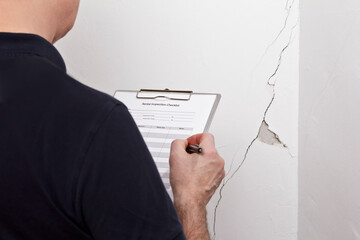
If you notice gaps around doors or windows or if the floor is sagging, you need foundation repair. Professionals know the right techniques to use for your specific home and soil conditions.

For a pier and beam foundation, contractors can use shimming to fill the space between a bowed wall and its support. It also helps level the foundation. Visit Foundation Repair Greensboro NC for more details.

Concrete Pilings

Pilings are long columns, constructed primarily of concrete, that are sunk below ground to support your home’s foundation. They’re not the same as piles or piers, which can be made of steel or concrete, and they are often used in areas that have expansive clay soils (Texas is one such example).

Whether your home needs repair because of soil shifting or your foundation has settled, repairing it with concrete pilings will give it an added level of strength from below while also helping to lift your home back up to its original position. These deep support structures are especially useful in areas where other types of foundations may fail because they transfer a building’s load to the deeper earth—typically bedrock or a harder layer—rather than the weaker soil above.

Concrete piles are commonly used as integral support structures in a wide range of construction projects. They can withstand heavy loads and can be driven in to difficult soil conditions, making them an excellent choice for foundations of buildings, bridges, and maritime structures.

These types of piles can be built on site using a variety of materials, including timber—an old technique that’s still utilized worldwide—steel piles of tubular or box sections, and precast concrete piles that can be manufactured in controlled environments to match your specific project specifications. These piles can be designed with tapered, uniform, or octagonal cross-sections and a variety of base shapes and are frequently incorporated into structures such as jetties, chimneys, coal handling structures, water tanks, and power stations.

Some piles are mechanically formed with an enlarged base diameter to improve the soil’s bearing capacity (under-reamed piles). They can be used where pore water pressures need to dissipate and where soils with high moisture content and/or water tables are present. Other piles are reinforced in-situ with a mixture of lime/quick lime, fly ash, sludge or other binders to increase their bearing capacity—a process called in-situ reinforcement.

Concrete Piers

Piers are used to stabilize concrete foundations that have been sinking and shifting because of soil conditions. These vertical structural supports extend deep into the ground to bypass unstable clay soil layers and reach solid bedrock where they transfer the weight of the building. Once they’re in place, they stabilize the foundation and prevent future movement.

Using a foundation repair company that specializes in pier installation can help you find the right solution for your home. Research the contractor’s reputation, years in business, and any specialized training or certifications they have. A knowledgeable professional will be able to identify the underlying cause of your problems and recommend the right type of pier to fix them.

Concrete piers are used for both new construction and to repair existing foundations that have been damaged by settlement or shift. The process of installing them typically involves excavating the affected area to access the foundation and either pushing or screwing the piers into the ground. After the piers are in place, the excavation is backfilled and the foundation is stabilized.

Both push piers and helical piers are effective at stabilizing heavy structures such as homes. With push piers, brackets are attached to the foundation’s footing, and hydraulic equipment is used to drive them into the ground. They’re stacked on top of each other until they reach stable soil or bedrock where they transfer the structure’s weight.

With helical piers, a helix-shaped plate is welded to a steel shaft that’s inserted into the ground. The helix plate provides more anchoring strength than a push pier, so they’re often preferred for heavier structures. Once the piers are in place, they’re loaded-tested by hydraulic jacks to ensure that they can support the structure’s weight.

Steel Piers

Steel piers are heavy-duty, hydraulically driven support points that help stabilize foundations and other structures. They are more effective than concrete pilings at transferring the weight of the structure to stable soil layers or bedrock. This helps prevent future movement and offers a stronger, more durable solution to foundation issues.

There are two types of steel pier systems: push piers and helical piers. Both are constructed from high-strength, galvanized steel. Both systems involve excavation around the affected foundation footing. Once the piers are in place, they are load tested with a hydraulic jack. Once a sufficient load test has been completed the piers are affixed to wall brackets. The piers are then used to lift the foundation back to its original elevation and stabilize it.

Unlike concrete, steel piers can withstand environmental pressures and don’t crack or shift under stress, making them a long-term solution for your foundation. Additionally, they require less excavation and create fewer resources during installation, which makes them a more environmentally friendly option than concrete.

Steel piers are also more adaptable than concrete, making them suitable for a variety of soil conditions. They can be used for homes, garages, sheds, decks and patios. They’re ideal for areas with limited access, as they can be installed under crawl spaces or in hard-to-reach locations. Additionally, they’re quick and efficient to install, which reduces the impact on landscaping and other property features. As a result, they’re an excellent choice for homeowners looking for a lasting foundation repair solution that provides structural stability and cost-effectiveness. Contact us today to learn more about how steel piers can benefit your home.

Helical Piers

Helical piers (or piles, as they are sometimes called) are a deep foundation system that is used to support structures and stabilize homes. They are made of steel and have a central pin with helix-shaped bearing plates welded to it. They are designed to transfer both vertical and horizontal loads into more stable soil layers below the surface. They can be installed in a variety of soil conditions, including clay and dense sand. Because of this, helical piers are a good choice for areas where traditional concrete piers cannot be installed due to soil composition or other factors.

Helical piles can be installed quickly and with minimal disturbance to the surrounding area. They are also versatile and can be used in a wide range of situations, from supporting new construction to providing stabilization for existing structures.

During the installation process, an engineer will evaluate the soil conditions and load requirements to determine the appropriate helix size and spacing. Once the helix is in place, it is mechanically screwed into the ground using specialized equipment until it reaches a predetermined load-tested depth or load-bearing stratum. A remedial bracket is then attached to the helix and connected to your home’s footing.

Helical piers are a cost-effective solution to foundation problems. However, it is important to work with a qualified contractor to ensure that your home’s issues are correctly diagnosed and repaired. If a helical pier is not installed in the proper location or for the right reason, it could result in more serious structural damage and further instability for your home. This can be a very costly mistake. If you are considering helical piers for your home’s repair, Alliance Inc. would be happy to provide a free inspection and estimate.

Crack Injections

Crack injection is a non-invasive method that uses epoxy to stabilize concrete walls and slabs. This is an excellent solution for repairing cracks without disturbing the foundation or affecting the building’s daily use. This solution can also address other structural issues that lead to cracking like soil settlement, but should always be used in conjunction with determining and remedying the cause of the cracking.

To start the process, a foundation repair expert will drill or glue injection ports into the bottom of the crack. They will then bridge each port with an epoxy paste that will contain the epoxy and protect the surface from the pressure of the injection. The number of injection ports will vary depending on the size and length of the crack. Ideally, each port will be spaced 8″ apart along the crack’s length.

The injection material can be either an epoxy resin or a polyurethane foam. Your contractor will decide which is best based on their experience and the specifics of your project. They will then carefully insert the injection material into the crack starting from the lowest point of the crack and working their way upwards. The injection material will react with the concrete and expand, filling and sealing the crack.

Once the crack has been sealed, it will provide a watertight seal that can last for years. Its hydrophobic properties mean that it will repel water so if water does reenter, it will not be able to re-crack the concrete and cause further damage. This type of injection has been proven effective in real-world applications, such as at the Gorilla Exhibit at Omaha’s Henry Doorley Zoo where leaking cracks were causing structural erosion and visible stains from rust and efflorescence.

Innovative Approaches to Pest Control for Modern Homes

Pest Control Port St Lucie protects homes and health in subtle yet powerful ways.

Pest Control

Unseen threats can invade spaces silently, affecting comfort and safety. Modern pest control goes beyond sprays and traps, embracing a science-driven approach. These solutions combine prevention, monitoring, and eco-conscious strategies for long-term protection. Homeowners now have tools that address both immediate problems and future risks.

Traditional methods often relied on reactive measures. People sprayed chemicals only after infestations became severe. Today, proactive strategies identify vulnerable points before pests settle. Early detection saves time, reduces damage, and limits chemical use.

Integrated pest management is gaining attention in residential spaces. This method evaluates the root causes of infestations rather than just eradicating pests. By understanding the environment, behavior, and lifecycle of pests, solutions become precise and effective. Sustainable outcomes are achieved with minimal disruption.

Technology has transformed pest control significantly. Sensors detect activity in hidden corners and track pest movements. Digital monitoring systems alert homeowners to early signs of infestation. Data-driven insights now make treatment smarter and less invasive.

Eco-friendly alternatives are changing the industry landscape. Natural repellents, biological agents, and targeted treatments reduce environmental impact. Homeowners can protect their families without compromising sustainability. This approach balances health, safety, and effectiveness.

Preventive design is another key component. Sealing cracks, improving ventilation, and managing waste reduce opportunities for pests. Structural awareness minimizes the chance of infestations before they occur. Prevention is always more cost-effective than reactive intervention.

Rodent management now includes behavioral science. Understanding where and why rodents enter homes allows tailored interventions. Baiting and trapping become more effective when guided by observation. This method prioritizes both efficiency and humane treatment.

Ant and insect control has shifted to behavioral disruption strategies. Pheromone trails and habitat modification prevent colonies from thriving. These solutions reduce reliance on repeated chemical applications. Long-term control focuses on eliminating sources rather than symptoms.

Mosquito and flying insect control has entered a precision era. Targeted larvicide and habitat management reduce populations significantly. Homeowners can enjoy outdoor spaces without widespread spraying. This careful targeting also protects beneficial insect species.

Bedbug management combines heat, vacuuming, and monitoring. These pests are resilient, and eradication requires multiple approaches. Modern strategies minimize chemical exposure while ensuring thorough removal. Early detection and rapid response remain critical for success.

The role of sanitation cannot be overstated in pest control. Clean kitchens, organized storage, and proper disposal of waste reduce attractants. Minor lifestyle adjustments can prevent infestations from taking root. Homeowners now view cleanliness as both a health and pest control strategy.

Fungal and termite prevention integrates structural inspection with treatment. Moisture management, wood treatment, and barriers prevent costly damage. Proactive pest control extends the life of the property. Home maintenance and pest prevention go hand in hand.

Pets influence pest dynamics in homes. Animal food, bedding, and outdoor areas can attract pests if not managed carefully. Pest control plans now account for these factors to avoid recurring infestations. Balanced strategies protect both humans and animals.

Seasonal patterns influence pest activity. Understanding peak times for insects and rodents allows timely interventions. Targeted treatments during these periods enhance effectiveness. Modern pest control adapts to nature rather than fighting blindly against it.

Air quality improvements also assist in pest management. Proper filtration and humidity control make spaces less hospitable to insects and mites. Healthy indoor environments discourage infestations naturally. Homeowners benefit from comfort and pest reduction simultaneously.

DIY pest control has become more informed thanks to digital resources. Educational platforms guide residents on safe and effective measures. These tools complement professional services rather than replace them. Knowledgeable homeowners contribute to sustainable outcomes.

Chemical formulations have advanced to become more selective and potent. Lower volumes achieve results without harming non-target species. Precision application reduces environmental footprint and enhances safety. Modern chemistry supports smarter, not harsher, pest control.

Outdoor landscaping impacts indoor pest activity. Plants, mulch, and water sources are evaluated to prevent attracting insects and rodents. Strategic garden design reduces the likelihood of infestations indoors. Pest control now considers the full property ecosystem.

Public health campaigns highlight pest-borne diseases and preventive measures. Awareness encourages regular inspections and timely interventions. Communities benefit when residents adopt responsible practices. Pest control becomes a shared effort rather than an isolated task.

Smart traps and lures are increasingly integrated into homes. Motion sensors and real-time notifications alert homeowners to early activity. This immediate feedback allows swift action and prevents escalation. Technology strengthens human efforts in a subtle, continuous way.

Water management influences pest proliferation. Standing water attracts mosquitoes, ants, and other insects. Regular drainage maintenance and leak prevention form part of comprehensive control plans. Simple actions have significant long-term impacts.

Education for children and families now includes pest awareness. Teaching young residents about hygiene and habitat management reduces human error. Habits like storing food properly and maintaining cleanliness prevent infestations. Community education supports safer, healthier homes.

Professional pest control teams now emphasize inspection reports and data transparency. Homeowners receive clear explanations of findings, treatment plans, and expected outcomes. Informed clients make better decisions and maintain properties effectively. Transparency builds trust and ensures ongoing protection.

The cost of pest damage extends beyond money. Allergies, property destruction, and mental stress all result from uncontrolled infestations. Comprehensive pest control mitigates these risks before they escalate. Prevention is an investment in both health and property value.

Emerging pest species challenge traditional control methods. Climate change and globalization introduce new insects and rodents into residential areas. Adaptive strategies focus on resilience and early detection. Continuous learning keeps pest management effective and relevant.

Combination strategies now dominate effective pest control. Physical barriers, chemical treatments, and biological agents work together seamlessly. Isolated approaches are less effective and risk recurrence. Integrated plans balance efficacy, safety, and sustainability.

Waste management practices influence pest populations indoors and outdoors. Proper storage, composting, and disposal reduce food sources for pests. Modern pest control integrates hygiene and behavioral understanding. This holistic approach minimizes repeated interventions.

Pest control increasingly considers long-term ecological balance. Treatments aim to eliminate harmful species without damaging beneficial organisms. This selective approach ensures environmental harmony. Protecting homes now aligns with preserving natural ecosystems.

Air circulation and temperature regulation impact pest survival. Many insects and rodents avoid spaces with controlled climates. HVAC adjustments complement other control measures efficiently. Environmental manipulation reduces the need for excessive chemicals.

Remote monitoring has transformed recurring service plans. Sensors track activity and alert professionals for targeted visits. Predictive maintenance prevents major infestations before they occur. Modern pest control is proactive, data-driven, and efficient.

Urban and suburban adaptations differ in pest control strategies. Dense areas require more frequent inspections due to shared structures. Rural locations focus on wildlife interactions and outdoor habitats. Customized solutions enhance both safety and effectiveness across environments.

Emerging biodegradable repellents offer new preventive tools. Derived from natural ingredients, they deter pests without lasting residue. Homeowners can protect spaces safely and responsibly. Innovation continues to prioritize health and sustainability.

Pest control intersects with construction and renovation practices. Material selection, sealing, and design choices influence long-term vulnerability. Builders and homeowners collaborate to create pest-resistant spaces. Prevention begins before the first infestation occurs.

Community-level pest management amplifies individual efforts. Shared knowledge, coordinated treatments, and public awareness campaigns reduce overall population pressure. Collective action complements individual responsibility. Neighborhood collaboration enhances success rates dramatically.

Digital platforms now provide predictive insights for pest activity. Data analytics forecast peak periods and emerging threats. Homeowners and professionals can plan interventions before problems escalate. Science and technology now shape pest control decisions.

Behavioral interventions are often more effective than chemicals alone. Redirecting pest activity, altering food availability, and modifying habitats reduce infestations naturally. Human behavior is as important as technology in long-term success. Knowledgeable homeowners form the first line of defense.

Indoor plants and décor can influence pest activity. Certain species attract insects, while others repel them naturally. Placement and care strategies are integrated into modern plans. Home aesthetics and pest control work in tandem for a balanced living space.

The psychological comfort of residents depends on visible and invisible pest control. Knowing a home is secure enhances peace of mind. Regular monitoring, transparency, and education reinforce confidence. Pest control has become as much about mental well-being as physical protection.

Modern pest control represents a fusion of science, technology, and human behavior. It balances immediate removal with long-term prevention strategies. Every intervention prioritizes safety, sustainability, and efficacy. Homes and families benefit from a comprehensive, thoughtful approach to pests.

The future of pest control continues to evolve with environmental awareness and technological integration. Data-driven methods, eco-conscious treatments, and preventive designs define the new standard. Homeowners gain cleaner, safer, and smarter living spaces. Pest control today is a blend of foresight, care, and innovation that ensures lasting protection.

Navigation