Different Types of Foundation Repair Methods Explained

Foundation Repair Greensboro NC

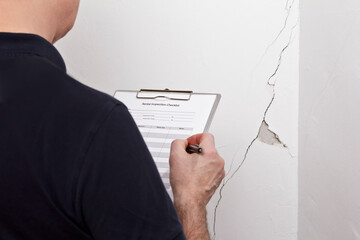
If you notice gaps around doors or windows or if the floor is sagging, you need foundation repair. Professionals know the right techniques to use for your specific home and soil conditions.

For a pier and beam foundation, contractors can use shimming to fill the space between a bowed wall and its support. It also helps level the foundation. Visit Foundation Repair Greensboro NC for more details.

Concrete Pilings

Pilings are long columns, constructed primarily of concrete, that are sunk below ground to support your home’s foundation. They’re not the same as piles or piers, which can be made of steel or concrete, and they are often used in areas that have expansive clay soils (Texas is one such example).

Whether your home needs repair because of soil shifting or your foundation has settled, repairing it with concrete pilings will give it an added level of strength from below while also helping to lift your home back up to its original position. These deep support structures are especially useful in areas where other types of foundations may fail because they transfer a building’s load to the deeper earth—typically bedrock or a harder layer—rather than the weaker soil above.

Concrete piles are commonly used as integral support structures in a wide range of construction projects. They can withstand heavy loads and can be driven in to difficult soil conditions, making them an excellent choice for foundations of buildings, bridges, and maritime structures.

These types of piles can be built on site using a variety of materials, including timber—an old technique that’s still utilized worldwide—steel piles of tubular or box sections, and precast concrete piles that can be manufactured in controlled environments to match your specific project specifications. These piles can be designed with tapered, uniform, or octagonal cross-sections and a variety of base shapes and are frequently incorporated into structures such as jetties, chimneys, coal handling structures, water tanks, and power stations.

Some piles are mechanically formed with an enlarged base diameter to improve the soil’s bearing capacity (under-reamed piles). They can be used where pore water pressures need to dissipate and where soils with high moisture content and/or water tables are present. Other piles are reinforced in-situ with a mixture of lime/quick lime, fly ash, sludge or other binders to increase their bearing capacity—a process called in-situ reinforcement.

Concrete Piers

Piers are used to stabilize concrete foundations that have been sinking and shifting because of soil conditions. These vertical structural supports extend deep into the ground to bypass unstable clay soil layers and reach solid bedrock where they transfer the weight of the building. Once they’re in place, they stabilize the foundation and prevent future movement.

Using a foundation repair company that specializes in pier installation can help you find the right solution for your home. Research the contractor’s reputation, years in business, and any specialized training or certifications they have. A knowledgeable professional will be able to identify the underlying cause of your problems and recommend the right type of pier to fix them.

Concrete piers are used for both new construction and to repair existing foundations that have been damaged by settlement or shift. The process of installing them typically involves excavating the affected area to access the foundation and either pushing or screwing the piers into the ground. After the piers are in place, the excavation is backfilled and the foundation is stabilized.

Both push piers and helical piers are effective at stabilizing heavy structures such as homes. With push piers, brackets are attached to the foundation’s footing, and hydraulic equipment is used to drive them into the ground. They’re stacked on top of each other until they reach stable soil or bedrock where they transfer the structure’s weight.

With helical piers, a helix-shaped plate is welded to a steel shaft that’s inserted into the ground. The helix plate provides more anchoring strength than a push pier, so they’re often preferred for heavier structures. Once the piers are in place, they’re loaded-tested by hydraulic jacks to ensure that they can support the structure’s weight.

Steel Piers

Steel piers are heavy-duty, hydraulically driven support points that help stabilize foundations and other structures. They are more effective than concrete pilings at transferring the weight of the structure to stable soil layers or bedrock. This helps prevent future movement and offers a stronger, more durable solution to foundation issues.

There are two types of steel pier systems: push piers and helical piers. Both are constructed from high-strength, galvanized steel. Both systems involve excavation around the affected foundation footing. Once the piers are in place, they are load tested with a hydraulic jack. Once a sufficient load test has been completed the piers are affixed to wall brackets. The piers are then used to lift the foundation back to its original elevation and stabilize it.

Unlike concrete, steel piers can withstand environmental pressures and don’t crack or shift under stress, making them a long-term solution for your foundation. Additionally, they require less excavation and create fewer resources during installation, which makes them a more environmentally friendly option than concrete.

Steel piers are also more adaptable than concrete, making them suitable for a variety of soil conditions. They can be used for homes, garages, sheds, decks and patios. They’re ideal for areas with limited access, as they can be installed under crawl spaces or in hard-to-reach locations. Additionally, they’re quick and efficient to install, which reduces the impact on landscaping and other property features. As a result, they’re an excellent choice for homeowners looking for a lasting foundation repair solution that provides structural stability and cost-effectiveness. Contact us today to learn more about how steel piers can benefit your home.

Helical Piers

Helical piers (or piles, as they are sometimes called) are a deep foundation system that is used to support structures and stabilize homes. They are made of steel and have a central pin with helix-shaped bearing plates welded to it. They are designed to transfer both vertical and horizontal loads into more stable soil layers below the surface. They can be installed in a variety of soil conditions, including clay and dense sand. Because of this, helical piers are a good choice for areas where traditional concrete piers cannot be installed due to soil composition or other factors.

Helical piles can be installed quickly and with minimal disturbance to the surrounding area. They are also versatile and can be used in a wide range of situations, from supporting new construction to providing stabilization for existing structures.

During the installation process, an engineer will evaluate the soil conditions and load requirements to determine the appropriate helix size and spacing. Once the helix is in place, it is mechanically screwed into the ground using specialized equipment until it reaches a predetermined load-tested depth or load-bearing stratum. A remedial bracket is then attached to the helix and connected to your home’s footing.

Helical piers are a cost-effective solution to foundation problems. However, it is important to work with a qualified contractor to ensure that your home’s issues are correctly diagnosed and repaired. If a helical pier is not installed in the proper location or for the right reason, it could result in more serious structural damage and further instability for your home. This can be a very costly mistake. If you are considering helical piers for your home’s repair, Alliance Inc. would be happy to provide a free inspection and estimate.

Crack Injections

Crack injection is a non-invasive method that uses epoxy to stabilize concrete walls and slabs. This is an excellent solution for repairing cracks without disturbing the foundation or affecting the building’s daily use. This solution can also address other structural issues that lead to cracking like soil settlement, but should always be used in conjunction with determining and remedying the cause of the cracking.

To start the process, a foundation repair expert will drill or glue injection ports into the bottom of the crack. They will then bridge each port with an epoxy paste that will contain the epoxy and protect the surface from the pressure of the injection. The number of injection ports will vary depending on the size and length of the crack. Ideally, each port will be spaced 8″ apart along the crack’s length.

The injection material can be either an epoxy resin or a polyurethane foam. Your contractor will decide which is best based on their experience and the specifics of your project. They will then carefully insert the injection material into the crack starting from the lowest point of the crack and working their way upwards. The injection material will react with the concrete and expand, filling and sealing the crack.

Once the crack has been sealed, it will provide a watertight seal that can last for years. Its hydrophobic properties mean that it will repel water so if water does reenter, it will not be able to re-crack the concrete and cause further damage. This type of injection has been proven effective in real-world applications, such as at the Gorilla Exhibit at Omaha’s Henry Doorley Zoo where leaking cracks were causing structural erosion and visible stains from rust and efflorescence.


Safe and Efficient Demolition Services for Every Project

Demolition services play a crucial role in the construction and property development industry. Whether it’s tearing down an old structure to make way for a new one or selectively removing certain parts of a building for renovation, professional demolition contractors provide the expertise, equipment, and safety protocols needed for the job. Modern demolition is far more than just breaking down walls—it’s a complex process that requires precision planning, specialized machinery, and strict adherence to environmental and safety regulations.

Professional Demolition Services ensure that buildings are dismantled safely and efficiently, minimizing risks to workers and the surrounding environment. The process often involves site evaluation, structural analysis, debris management, and proper disposal of materials. Each phase must be carefully coordinated to avoid hazards such as dust exposure, falling debris, or damage to nearby structures. This is why working with experienced demolition contractors is essential for ensuring the success of any project that involves dismantling or site clearing.

demolition

Understanding the Importance of Demolition Services

Demolition is a vital part of urban development and infrastructure improvement. As cities and communities evolve, older or unsafe buildings often need to be removed to make room for new developments. Beyond full-scale demolition, there are also situations where only certain parts of a building need to be removed—this is known as selective demolition. Such precision work requires careful handling to ensure the rest of the structure remains intact and stable.

Demolition contractors are skilled in managing a wide range of projects, from small residential demolitions to large commercial and industrial tear-downs. They are trained to handle the complexities of building materials, hazardous substances, and utility disconnections, all while maintaining compliance with environmental laws and safety standards. This combination of technical knowledge and operational efficiency makes demolition services indispensable in today’s construction industry.

The Different Types of Demolition Services

Not all demolition projects are the same. Depending on the structure and project goals, demolition contractors use various methods and approaches. Below are some of the most common types of demolition services:

  1. Residential Demolition: This involves removing houses, garages, sheds, or other smaller structures on private property. Residential demolition requires careful handling, especially when the site is located near other homes.
  2. Commercial Demolition: Large-scale demolitions of office buildings, retail centers, and warehouses fall under this category. These projects require heavy machinery, extensive planning, and coordination to ensure safety and minimize disruption.
  3. Industrial Demolition: Factories, plants, and manufacturing facilities often require specialized demolition due to the presence of hazardous materials or complex mechanical systems. Contractors must use advanced equipment and strict safety measures for these jobs.
  4. Selective Demolition: Instead of tearing down an entire building, selective demolition focuses on removing specific sections, walls, or features while preserving the rest. It’s commonly used in remodeling or renovation projects.
  5. Interior Demolition: This process involves removing interior walls, flooring, ceilings, or fixtures within a structure while keeping the exterior intact. It’s ideal for office renovations, retail upgrades, or property redesigns.
  6. Total Building Demolition: This is the complete dismantling of a structure, often followed by debris removal and site clearing to prepare for new construction.

Each of these demolition types requires distinct techniques, equipment, and safety considerations. Professional contractors assess the building’s composition, age, and condition before determining the most appropriate demolition method.

The Process Behind a Professional Demolition

A well-executed demolition project follows a systematic process that ensures efficiency and safety. Though every site has unique challenges, the general stages remain consistent:

  1. Site Assessment and Planning: Before demolition begins, contractors conduct a thorough site evaluation. This includes identifying structural materials, hazardous substances like asbestos, and potential risks to nearby areas. Engineers and project managers collaborate to create a demolition plan tailored to the site’s conditions and the client’s needs.
  2. Permits and Safety Preparation: Demolition projects must comply with local safety and environmental regulations. Contractors handle the necessary permits, utility disconnections, and hazard mitigation plans to ensure legal compliance and minimize risk.
  3. Demolition Execution: Once preparations are complete, contractors use specialized equipment such as excavators, bulldozers, cranes, and hydraulic breakers to dismantle the structure. Depending on the method, this process can be manual, mechanical, or controlled using explosives for large-scale demolitions.
  4. Debris Removal and Site Clearing: After the structure is taken down, debris and waste materials are carefully sorted, recycled, or disposed of in compliance with environmental standards. The site is then leveled and cleared for future construction.
  5. Final Inspection and Documentation: Contractors perform post-demolition inspections to ensure the site is safe and meets all requirements before the next phase of development begins.

By following this structured approach, professional demolition contractors ensure that every project is completed on time, within budget, and in full compliance with industry standards.

Safety and Environmental Considerations in Demolition

Safety is the cornerstone of all demolition projects. Because demolition involves heavy machinery, falling debris, and hazardous materials, strict adherence to safety protocols is essential. Contractors must conduct risk assessments and implement control measures such as dust suppression, protective barriers, and proper waste handling. Personal protective equipment (PPE) is mandatory for all workers on-site to prevent injuries.

Environmental responsibility is another major consideration in modern demolition practices. Many contractors now implement sustainable demolition strategies to minimize waste and environmental impact. Recyclable materials such as metal, concrete, glass, and wood are separated and processed for reuse. Hazardous substances like lead or asbestos are handled according to strict disposal regulations to prevent contamination. This eco-conscious approach not only benefits the environment but also helps reduce project costs by reclaiming reusable materials.

Benefits of Hiring Professional Demolition Contractors

Hiring a licensed demolition contractor provides numerous advantages over attempting a demolition independently. These professionals bring the knowledge, tools, and certifications necessary to handle complex jobs safely and efficiently. Here are a few key benefits:

  1. Safety Assurance: Professional contractors are trained to follow safety regulations and manage hazardous conditions, minimizing the risk of accidents or property damage.
  2. Efficiency and Expertise: With advanced equipment and experience, contractors can complete demolitions much faster and more accurately than untrained workers.
  3. Regulatory Compliance: Demolition companies are familiar with local laws and permit requirements, ensuring that the project proceeds legally and without unnecessary delays.
  4. Waste Management: Proper handling, recycling, and disposal of debris are integral to professional demolition services, ensuring minimal environmental impact.
  5. Cost-Effectiveness: While hiring professionals may seem expensive initially, their efficiency, safety measures, and ability to prevent costly mistakes often make them the more economical choice in the long run.

Techniques and Equipment Used in Modern Demolition

Today’s demolition industry relies on a mix of traditional and innovative techniques. Mechanical demolition, using equipment such as excavators and cranes, is the most common method for medium to large projects. For smaller or more controlled jobs, manual demolition using hand tools may be more appropriate. In cases of large industrial buildings or high-rise structures, contractors may use controlled implosion—a technique involving carefully placed explosives that bring down a structure in a precise, inward collapse.

In addition to heavy machinery, demolition contractors utilize cutting-edge technology such as drones for site inspection, 3D modeling for project planning, and dust control systems to maintain air quality. These advancements improve accuracy, enhance safety, and reduce environmental impact.

The Role of Demolition in Construction and Redevelopment

Demolition is often the first step in new construction or urban redevelopment. Before new structures can rise, old or unsafe buildings must be removed. This process allows for better land use, improved safety, and revitalized communities. In redevelopment projects, demolition contractors work closely with architects, engineers, and developers to prepare sites for modern designs and infrastructure.

Selective demolition also plays an important role in preserving historical or valuable architectural elements. Instead of removing entire structures, contractors carefully dismantle specific sections, allowing for restoration or adaptive reuse. This balance between preservation and progress demonstrates the evolving nature of the demolition industry.

Choosing the Right Demolition Contractor

Selecting the right contractor is one of the most important decisions in any demolition project. Property owners should look for professionals with proper licensing, insurance, and a solid reputation for safety and reliability. Reviewing past projects, client testimonials, and safety records can help determine a contractor’s credibility. It’s also essential to request a detailed project proposal that includes timelines, cost estimates, and disposal plans.

Communication is key throughout the demolition process. A reliable contractor keeps clients informed at every stage, from initial planning to project completion. Transparency about costs, safety protocols, and waste management builds trust and ensures the project proceeds smoothly.

Demolition services are a cornerstone of the construction and renovation industry, paving the way for new beginnings by safely and efficiently removing old structures. Whether for residential, commercial, or industrial purposes, professional demolition contractors bring the expertise, equipment, and precision needed to handle complex projects. Their focus on safety, sustainability, and efficiency ensures that each job contributes positively to property development and community improvement.

As cities continue to grow and evolve, the demand for skilled demolition professionals remains strong. By combining advanced technology, sustainable practices, and strict adherence to safety standards, today’s demolition contractors are shaping a safer, cleaner, and more efficient future for construction. Whether clearing space for a new development or preparing a site for renovation, professional demolition services provide the solid foundation upon which every great project begins.

Cabinet Refinishing Vs Refacing

Cabinet Refinishing Modesto is an excellent option for homeowners who are looking for a facelift without the cost and time of a full remodel. It’s also a good choice for homeowners who want to stay in their current home for the long term.

Start by cleaning your cabinets to remove any dirt, grease, or grime. You’ll want to use a cleaner that’s designed for wood cabinets.

cabinet refinishing

Cost-effectiveness

When it comes to home improvement projects, kitchen refinishing is one of the most cost-effective ways to improve the look of your kitchen. A cabinet refinishing project costs less than a full kitchen remodel and can deliver a higher ROI. Unlike replacement, which requires new cabinets and hardware, refinishing uses your existing cabinets, but gives them a fresh coat of paint. In addition to saving money, refinishing is less disruptive and allows you to enjoy your kitchen without the construction mess and expense of replacement.

Full cabinet replacement is expensive, and it can take weeks or even months to finish the job. Refacing takes a fraction of the time, saves you money, and reduces the risk of structural damage or moisture problems. Refacing is also a good choice if you have a specific design vision for your kitchen and want to keep the layout intact.

A cabinet refinishing project is a quick and easy way to give your kitchen a facelift, and it is a great alternative to replacement for homeowners with budget constraints. It is a less invasive option that requires minimal demolition and fewer tradespeople. Cabinet refinishing is also cheaper than replacing your cabinets, and it can increase the resale value of your home.

When choosing a cabinet painting company, you should consider their experience and reputation. They should have the expertise to complete your project quickly and efficiently. In addition, they should be able to answer your questions and provide you with a detailed quote. It is important to understand how much your project will cost before you decide to move forward with a contract.

Cabinet refinishing is an excellent choice for high-quality cabinets that need a refresh. However, it is not a viable solution for dated, damaged, or outdated cabinets. It is best suited for kitchens that need a quick facelift. It is a great option for homeowners who want to modernize their kitchen with a simple color change.

A light refinishing process can restore the beauty of stained wood cabinets with a clean, refined finish. This process includes cleaning, fine sanding, and applying fresh polyurethane. Depending on the complexity of the design, this process can cost between $100 and $250 per linear foot.

Durability

Cabinet refacing is a popular kitchen renovation option, offering beautiful new finishes at a fraction of the cost of a full replacement. But how long do these transformations last? What impact does their longevity have on your home’s value? This blog post will explore the durability of both refacing and refinishing, and help you decide which solution is best for your kitchen.

The refacing process involves removing your cabinets’ doors and drawer fronts, then replacing them with custom-made wood or medium-density fiberboard (MDF) veneers. This is a great option for homeowners who want to change their kitchen’s style but need to keep the existing cabinet boxes in good condition. Refacing is not suitable for cabinets that have extensive damage or are structurally compromised.

While refacing offers impressive longevity, its durability depends on the quality of the materials used. High-quality veneers are designed to withstand heat, moisture, and everyday wear. Refacing your cabinets with these materials will ensure they last for years to come.

To maintain your refinished cabinets’ durability, regular inspections and routine touch-ups are essential. Be sure to avoid harsh cleaning chemicals, which can strip the finish and cause stains. Instead, clean your cabinets with a damp cloth and mild soap diluted with water. Whenever possible, opt for natural-wood cleaning products to minimize the risk of damage and stains.

Refinishing may require more maintenance than painting, but it’s a great option for homeowners who prefer the character of natural wood. However, refinishing is also more vulnerable to grease stains and watermarks than painted surfaces. As a result, it’s important to choose a durable paint and apply a few coats of finish to ensure long-lasting protection.

Aesthetics

Cabinet refinishing is a stylish way to breathe new life into your kitchen, and it allows you to choose from a wide range of paint colors and stains to achieve the aesthetic you desire. You can also upgrade the hardware on your cabinets, such as knobs and pulls, to further personalize the look of your kitchen. If you’re aiming for a modern design, consider bold colors and two-tone designs. You can even choose from a variety of metallic finishes. Whether you’re looking for a classic white kitchen or a more dramatic palette, cabinet refinishing can transform your kitchen into the focal point of your home.

The key to choosing the right paint color for your cabinetry is to do some research and consult with a professional. Many cabinet painting companies offer professional color consulting, which can help you navigate the myriad of options and find the perfect hues for your kitchen. A professional color consultant can advise you on the best shades based on your style, your home’s color scheme, and lighting conditions. They can also recommend complementary stains and finishes for your kitchen’s countertops, walls, and floors.

Another benefit of cabinet refinishing is that it preserves the quality and craftsmanship of your existing cabinets. Unlike new, mass-produced cabinets, your older cabinets were built with high-quality materials and are likely to last for decades with proper care. In addition, you can save up to 50% on the cost of a complete kitchen renovation by refinishing your existing cabinets instead of buying new ones.

In comparison, cabinet refacing involves replacing the existing cabinet doors and drawer fronts with brand new ones. The cabinet boxes remain intact, and the exterior surfaces are replaced with veneer or other materials like melamine. A comprehensive refacing project can also include installing crown, light rail, and shoe moldings. However, refacing does not involve the messy and time-consuming process of stripping and sanding the cabinet interiors.

Both refacing and refinishing have their advantages, but the right option for you depends on the condition of your existing cabinets and the aesthetic you’re aiming for. If your cabinet doors are in good condition and you want a fresh, updated look, refinishing is the better choice. Refacing, on the other hand, is more expensive and requires more extensive work.

Time-saving

Cabinet refinishing is a fast, affordable way to revamp the look of your kitchen. Unlike refacing or replacing, it only involves the exterior of your cabinets and requires minimal structural changes to your home. It is a great choice for homeowners who are looking to update their kitchen with modern features, such as soft-close hinges and crown molding.

While you can try to take on refinishing yourself, it’s best left to professionals. This way, you’ll be assured of a high-quality finish and minimize the potential for any glaring mistakes that can detract from the overall look of your space. Also, you’ll be able to rest easy knowing that your cabinets will be cleaned thoroughly, so they won’t be susceptible to water damage or discoloration over time.

The first step in a cabinet refinishing project is cleaning the surface of the cabinets. This is a good opportunity to get rid of any grease build-up and other residue from daily use. You can do this with a mild cleaner or degreaser formulated for wood cabinets.

Once the cabinet surfaces are clean, they should be sanded to ensure a smooth base for the new finish. Using a medium-grit sandpaper, remove any rough areas or old paint, and then move to fine-grit sandpaper for a smooth surface. Once the surfaces are sanded, you should apply a coat of primer and allow it to dry completely. Once the primer is dry, you can begin painting.

It’s important to use a paint that is formulated for wood, as it’ll be more durable than an acrylic or vinyl coating. The durability of a paint is particularly important for cabinets, since they’re exposed to harsh chemicals and constant wear.

While refacing or replacement offers dramatic results, they’re more expensive than cabinet refinishing. A professional can save you time and money by completing the job quickly and efficiently. They’ll also ensure that your cabinet doors are properly installed and that the new coating is a solid, long-lasting finish. Additionally, they can help you select the right color for your new cabinets and make recommendations for any upgrades or other renovations.

Navigation